
Denture Insights
Denture Reline, Adjustment, or Replacement: What Is the Difference?
- Author
- Dan Mihajlov
- Published
- Published In
- Denture Care, Denture Adjustments
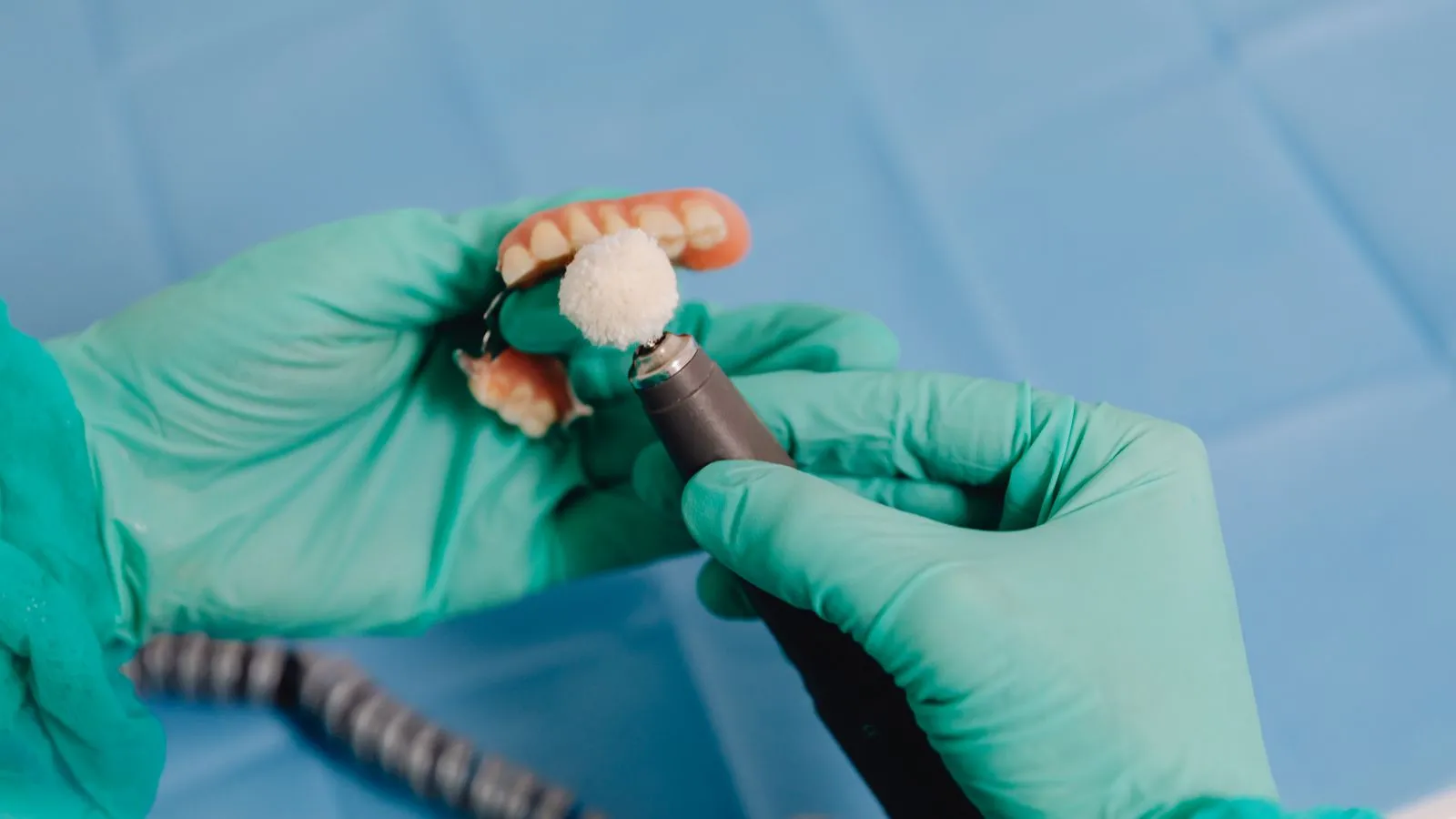
Denture Reline, Adjustment, or Replacement: What Is the Difference?
When a denture stops feeling quite right, the first question is usually simple: can it be fixed, or is it time for a new one? The answer is not always obvious from the feeling alone. A sore spot might call for a small adjustment. General looseness may point toward a reline. A denture that is worn, damaged, or no longer working well may need a broader replacement discussion.
These options are related, but they are not interchangeable. Each one changes something different. Knowing the basic distinction can make your next appointment easier and help you describe what you have been noticing.
An Adjustment Targets a Specific Area
A denture adjustment is usually the most focused of the three options. The denturist identifies a particular area that is rubbing, pressing, or interfering with the way your teeth meet. That area can then be refined so the denture feels more comfortable and functions more naturally.
Think of an adjustment as correcting a local problem rather than changing the entire fitting surface. It may be appropriate when:
- One spot feels tender after wearing the denture
- An edge is irritating your cheek, tongue, or gum
- Your bite feels uneven in one area
- A new denture needs a little fine-tuning as you adapt
- The denture is generally stable but one detail feels wrong
Do not try to smooth or file the denture at home. Even a small change can alter the fit or bite in a way that is difficult to reverse. It is much safer to point out the exact area and let your denturist assess it.
A Reline Updates the Inside Fit
Your denture keeps its shape, but the tissues supporting it can change. When that happens, space may develop between the inside of the denture and your mouth. The denture can begin to lift, rock, or collect food underneath even if the teeth and outer shape are still in reasonable condition.
A reline updates the surface that rests against your tissues. New material is added and shaped to follow the current contours of your mouth more closely. Unlike a small adjustment, a reline addresses a wider area of the fit.
Signs that may lead to a reline conversation include:
- Looseness that affects much of the denture
- Movement while speaking or chewing
- A seal that is not as reliable as it used to be
- Food getting underneath the denture more often
- Increasing dependence on denture adhesive
These signs do not prove that a reline is the answer. Cracks, worn teeth, bite changes, or other concerns may affect the recommendation. A professional examination is what separates a relining problem from a different kind of problem.
Replacement Looks at the Denture as a Whole
There comes a point when changing one area or updating the inside surface is not enough. The denture may be worn, repeatedly damaged, unstable, or no longer supporting comfortable chewing and speaking. The appearance may also have changed as the teeth and base have aged.
Replacement means making a new denture for your mouth as it is now. That creates an opportunity to reassess the fit, bite, tooth position, appearance, and daily function together. It is a larger process than an adjustment or reline, so it should follow a careful discussion rather than a guess based on age alone.
A denture does not automatically need replacement because it has reached a particular birthday. At the same time, age should not be the only reason to keep repairing an appliance that is no longer serving you well. Condition, fit, comfort, and function matter more than a single number.
The Same Symptom Can Have Different Causes
Looseness is a good example. It can develop because the supporting tissues have changed, because part of the denture is damaged, or because the bite is no longer balanced. Adding adhesive might reduce movement for a while, but it does not explain why the movement began.
Soreness can be just as misleading. One pressure point may need a small adjustment. Several sore areas may suggest a more general fit concern. Continuing to wear the denture without an assessment can make it harder to tell which issue came first.
This is why it helps to describe the pattern, not just the symptom. Note when the problem started, where you feel it, and what you are doing when it happens. A denture that shifts only during meals tells a different story from one that feels loose as soon as it is inserted.
What to Bring to the Appointment
Bring the denture, even if it is uncomfortable to wear. If a piece has broken off, bring every piece in a clean container. Avoid household glue, repair kits, or filing before the visit, since those changes can complicate a professional repair.
It also helps to arrive with a few practical observations:
- How long the current problem has been present
- Whether the fit changes during the day
- Which foods or words make the movement noticeable
- Whether you are using adhesive, and whether the amount has changed
- Whether there has been a recent crack, drop, repair, or health change
You do not need to diagnose the problem yourself. Those details simply give your denturist a clearer starting point.
Start With the Fit, Not the Procedure
It is natural to arrive asking for a reline or assuming that replacement is inevitable. A better first step is to ask what is causing the denture to feel different. Once the fit, condition, and bite have been assessed, the options become much clearer.
Hillhurst Denture Clinic provides custom dentures, fittings, adjustments, relines, and repairs. If your denture is moving, rubbing, or no longer feeling dependable, contact the clinic to arrange an assessment and discuss the most appropriate next step.
Bring the appliance and a short note about when the change began.