
Denture Insights
How to Extend the Life of Your Dentures: Practical Tips
- Author
- Dan Mihajlov
- Published
- Published In
- Denture Care
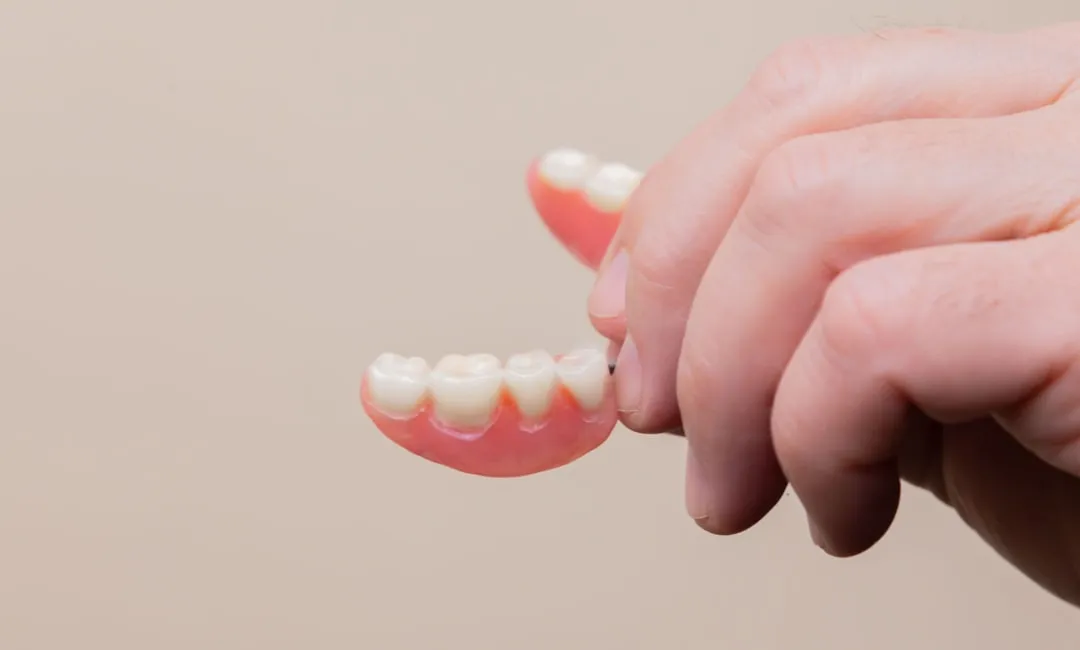
How to Extend the Life of Your Dentures: Practical Tips
You’ve probably seen it at least once in movies and TV shows. When somebody takes out their dentures at night, they put them in a glass of water overnight. Many people think that denture care is as simple as that.
The reality is that denture care is a little more nuanced. If you’ve got a brand-new set of dentures to give you a brand-new smile, you’re in the right place. We’ll show you how you can take care of them so they’ll last and provide you with that beautiful smile for years to come.
Adjusting to Dentures
The first thing to keep in mind when you get a brand-new set of dentures is that it’s kind of like getting a brand-new set of boots. They’re not going to be very comfortable when you first get them. You’ll essentially need to put in some work to break them in and get used to them. It’s going to take a couple of visits back and forth to the dentist so that they can make adjustments here and there to ensure they are comfortable for you.
The process is a lot like breaking in a new pair of hard leather boots. It won’t feel comfortable at first, and you’ll probably end up with some sore spots. But just like with these boots, your mouth will eventually adjust, and they’ll start feeling more natural.
Dentures require time to acclimatize. For best results, you’ll need to commit to keeping your dentures in your mouth for as long as possible for the first few weeks. It’ll help you identify the areas that are sore from the denture pressing and need additional adjustment by your dentist.
Even if you consider yourself handy and like going the DIY route, you should never attempt to make your own adjustments or repair them at home. Always let your dentist adjust your dentures.
Maintaining Your Dentures
Once you get the right fit, though, how do you maintain dentures and keep them clean over time? When handling your dentures, it’s very important that you handle them with care. Some areas have thin plastic and small metal clasps that can bend and break if you’re not careful.
The rule of thumb is to brush your dentures at least daily with a soft-bristled toothbrush. You should also make sure you remove your dentures and rinse them every time you eat to get rid of food debris. Whenever you remove your dentures, you should also rinse and clean your mouth as well—especially the areas where the dentures are sitting.
Here are a couple of things that you want to avoid as well.
-
Bleach: Yes, we’ve heard it before—it’s an old wives’ tale that has been around for decades. Dentures aren’t designed to be cleaned with such a harsh chemical.
-
Don’t clean them in boiling water: It sounds crazy, but over the years, we’ve actually seen several people do this. Generally, boiling kills off chemicals and cleans things, but it also distorts dentures.
-
Don’t use sharp objects to clean dentures: Plaque will slide off a shiny material, but when it’s roughened, it sticks. So don’t use anything sharp. All you need to clean dentures is a toothbrush and water—that’s it. If you’re getting plaque buildup and staining, try denture cleaning tablets or take the dentures to a dentist.
-
Eat every food under the sun: Never assume dentures can fully replace natural teeth—because they can’t. When we lose our natural teeth and transition to dentures, we must make changes to our eating habits and diet.
Dentures can’t handle what your natural teeth could. Yes, you could try—but if you don’t use your dentures properly, you’ll cause:
● Gum pain ● Sores and ulcers ● Cracks or breaks in the dentures
That means costly repairs.
Simply avoiding things like crusty breads, bones (like chicken wings), cold chocolates, and hard nuts will prolong the life of your dentures. Steering clear of certain sticky, hard, or crunchy foods can significantly extend the life of your denture.
Final Thoughts
Dentures are an investment, giving you back your confidence and boosting your overall wellness, so it’s important to take care of them. As with any other investment, you want them to last as long as possible to get the most out of them, so you’ll want to know what to expect and understand basic aftercare.
If you have dentures, don’t forget to schedule regular checkups to help maintain them and to get any adjustments needed to make them more comfortable. Contact us at Hilltrust Denture for checkups and denture consultations.