
Denture Insights
Transitioning From Partial To Full Dentures: What To Expect
- Author
- Dan Mihajlov
- Published
- Published In
- Denture Care
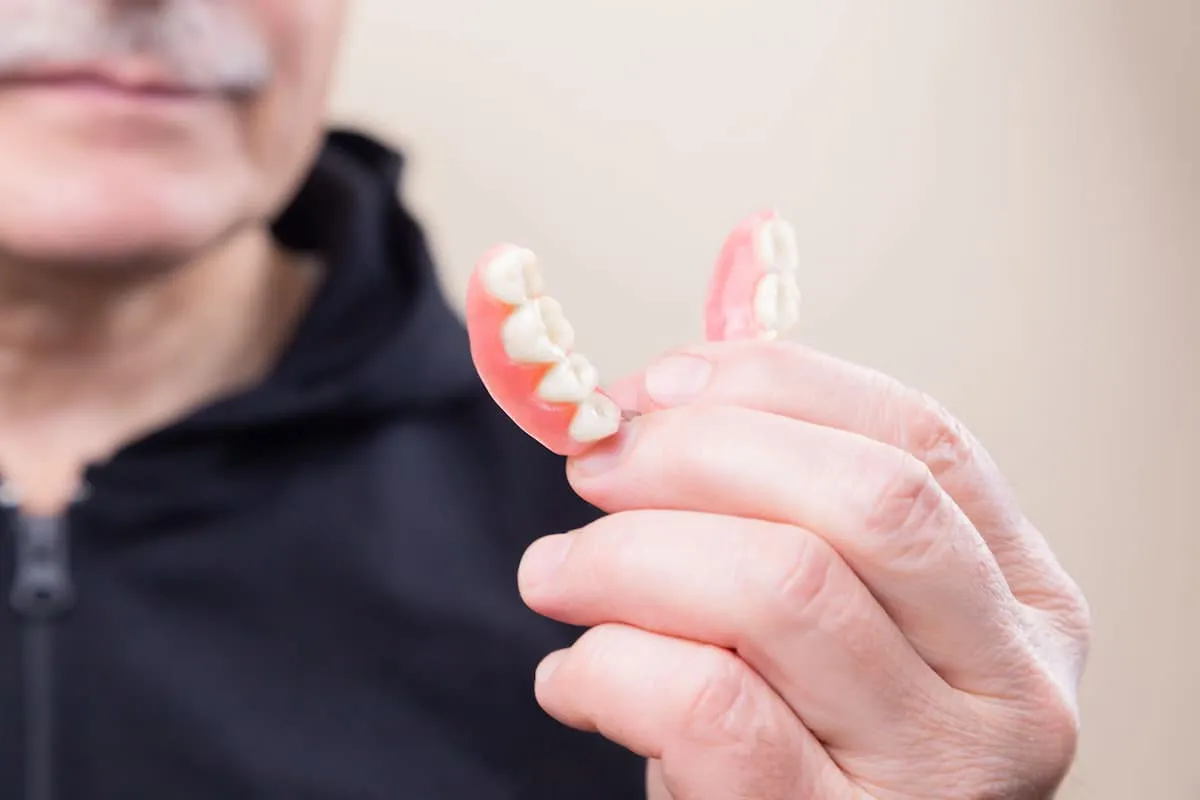
Transitioning From Partial To Full Dentures: What To Expect
Many people find it challenging to transition from having natural teeth or a partial denture to a full denture.
When you have existing natural teeth, you maintain some chewing ability and sensory feedback (proprioception). But if you’re using a partial denture, you’ve likely had the remaining teeth in your mouth act as anchor points to keep it stable.
Transitioning to a full denture means losing those anchors, which can be irritating and uncomfortable for some patients. In this guide, we’ll talk about the process and what you should anticipate during this transition.
From Partial to Full Dentures
Partial dentures are often the go-to solution when you’ve still got a few good teeth remaining. They bridge gaps, restore some chewing ability, and anchor to the teeth you’ve got left. But over time, those anchors can become liabilities. When decay progresses, gums deteriorate, and infections become chronic, your dentist may suggest a full denture, not as a last resort but as a fresh start that can improve comfort and function.
This shift isn’t recommended lightly. It occurs when the alternatives (more fillings, crowns, and cleanings) no longer offer meaningful relief.
Sometimes it’s about comfort. Sometimes it’s economics. Sometimes it’s just time.
Here are 7 tips to prepare yourself for your denture journey.
Tip #1: Ask Questions Before the Teeth Go
Planning is everything. Before any teeth are removed, talk to your dentist about a clear path forward. This includes checking your current oral condition, taking impressions to make immediate dentures, and walking you through sedation options.
Your dentist should talk about materials, expected healing time, and even pain management. Want to know when you can eat normally again? Ask. Want to see what your smile might look like? Many clinics now offer digital previews before a single tooth comes out.
Tip #2: Learn About the Procedure
Extractions today aren’t what they were 20 years ago. Modern sedation makes the process far smoother. Some patients have everything removed in one visit. Others ease in, doing a few teeth at a time. Either way, your dental team keeps discomfort at a minimum. Many even place immediate dentures so you won’t walk out toothless.
Tip #3: Learn How to Manage the First Few Weeks
Once the procedure’s done, your mouth enters an adaptation phase. Gums heal. Your brain learns to communicate with your new teeth. It can mean temporary soreness, speech changes, or a bit of extra saliva. You’ll visit the clinic a few times to tweak the fit. But it gets better really fast.
Tip #4: Figure Out Eating Again
Food is a joy, and yes, you’ll get back to enjoying it. Start soft, take small bites, and work your way up. The key is balance: chew on both sides at once, avoid scalding soups, and use adhesive for tricky meals if needed. Modern dentures have come a long way. What once slipped and clacked now feels more like second nature.
Tip #5: Keep Up With Daily Maintenance
Your dentures are an investment. Take care of them and they’ll return the favour. Clean them with proper products (not regular toothpaste), soak them overnight, rinse after eating, and handle them with care. Don’t skip dental checkups. Even if your teeth are gone, your oral health still matters.
With good care, many dentures last 5 to 7 years, or even longer.
Tip #6: Enjoy the Unexpected Perks Nobody Mentions
Yes, full dentures remove dental pain, but there’s more. They remove the worry of future root canals, reduce temperature sensitivity, and simplify your daily routine. As a bonus, they also subtly enhance your facial structure, often lifting and filling out features for a more balanced appearance.
Tip #7: Know When to Call Your Dentist
Discomfort is expected at first. But certain signs mean it’s time to get help: sore spots that linger, a loose fit that gets worse, speech issues that don’t fade, pain that interferes with daily life, or clicking when you eat or talk.
Taking the Next Step
The transition from partial to full dentures marks a new chapter in your oral health journey. With proper preparation, realistic expectations, and quality dental care, this switch can significantly improve your comfort and confidence.
Ready to discuss whether transitioning to full dentures is right for you? Our expert team at Hillhurst Denture Clinic can guide you through every step of the process with compassion and expertise. Your journey to a comfortable, confident smile starts with a conversation.
Contact us today to schedule a consultation and explore your options.